From the Cotswolds to the Algarve: A Patient's Guide to Travelling With GLP-1 Injections
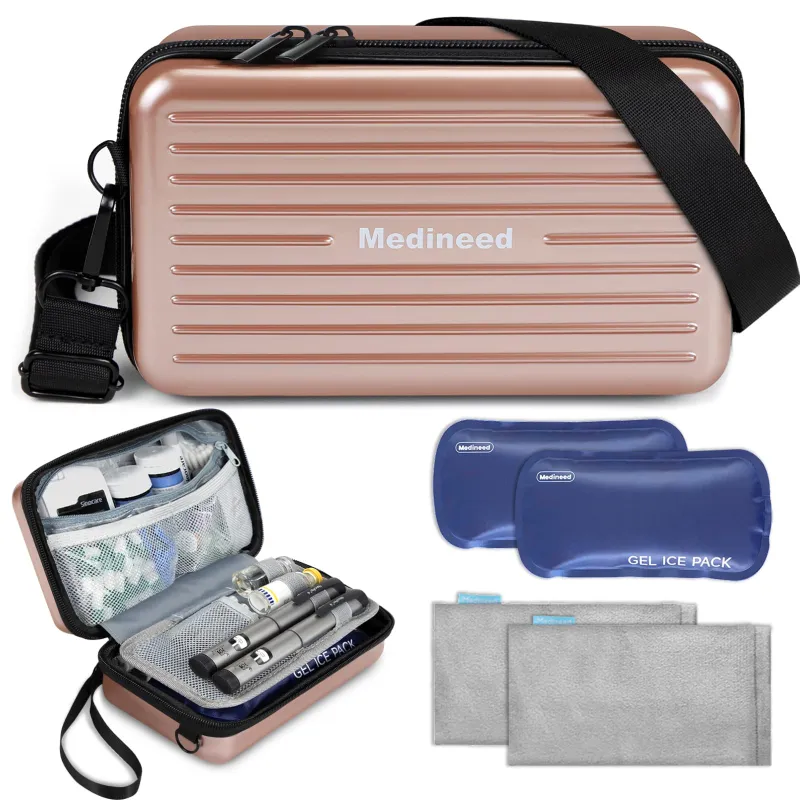
Photo: traveller packing medication injectable pen cooler case suitcase airport, via m.media-amazon.com
For the thousands of British patients now using GLP-1 medicines such as Wegovy and Mounjaro, the prospect of a holiday — or even a weekend away — raises practical questions that a standard consultation rarely covers. Can the pen go in your hand luggage? Will it survive a warm car journey to Dorset? And what happens if your injection day falls while you are three time zones away in Portugal?
The good news is that travelling with these medicines is entirely manageable with a little preparation. The less good news is that getting it wrong can leave you without treatment, or worse, carrying medication that is no longer safe to use.
Keeping Your Cool: Storage on the Move
Most GLP-1 pens must be stored in a refrigerator between 2°C and 8°C until first use, after which many can be kept at room temperature for a limited period — typically 21 to 28 days depending on the product. Check the patient information leaflet for your specific medicine, as the rules differ.
For journeys of a few days, a medical-grade insulated travel case with a gel pack is usually sufficient. These are widely available from UK pharmacies and online, and the better models will hold a safe temperature for eight to twelve hours. Avoid placing the pen directly against frozen gel packs, as freezing can render the medication ineffective.
For a fortnight in the Algarve or a long-haul trip, plan ahead. Ask your accommodation whether the room includes a minibar fridge, and confirm with your hotel in advance that one can be provided. A thermos flask with cool water, refreshed daily, is a workable fallback in a pinch — though it should be treated as a stopgap rather than a plan.
Flying: Hand Luggage, Not the Hold
UK aviation security rules permit prescription medicines in liquid form in hand luggage, including injectable pens, in quantities greater than the standard 100ml limit. Never place your medication in checked baggage: the hold of an aircraft can reach temperatures well outside the safe range, and lost luggage is not merely an inconvenience when the lost item is a month's prescription.
Carry your medication in its original packaging with the pharmacy label attached. Security staff at UK airports are generally familiar with medical injectables, but a doctor's letter removes ambiguity — particularly at foreign checkpoints where staff may be less used to seeing prefilled pens.
The GP Letter: Your Passport Through Customs
Border officials in many countries, including popular destinations such as Spain, Portugal, the United Arab Emirates and Turkey, expect travellers to be able to demonstrate that injectable medicines are prescribed for personal use. A letter from your prescriber or GP, stating the medicine's name, dose, quantity and that it is prescribed to you by name, is the standard solution.
Request the letter at least two weeks before travel. Many GP surgeries charge a small fee for such letters, and private providers will usually issue one on request. Keep a printed copy in your travel documents rather than relying on your phone.
Time Zones and Injection Days
Weekly medicines such as semaglutide and tirzepatide offer some flexibility: most manufacturers advise that if you miss a dose, you can take it within a set window — typically five days for Wegovy — before resuming your normal schedule. This flexibility is a gift for travellers. If crossing time zones would push your injection into the middle of the night, simply adjust to a sensible local time within the permitted window.
Daily medicines such as Saxenda demand stricter adherence, so plan injection times around your outbound and return journeys before you travel rather than improvising at the airport.
When Things Go Wrong: Lost, Delayed or Damaged Pens
If a pen is lost, damaged or left behind, act quickly. Contact your UK pharmacy or prescriber first — some private providers can arrange an emergency replacement or advise on local supply. Within Europe, a European Health Insurance Card (EHIC) or Global Health Insurance Card (GHIC) will not cover private prescriptions, so travel insurance that includes medication replacement is worth considering.
Never use a pen that has been frozen, left in direct sun, or shows discoloured or cloudy liquid. An ineffective dose is disappointing; a compromised one may be unsafe.
A Pre-Travel Checklist
- Confirm storage requirements for your specific medicine
- Buy a validated travel cooler case
- Request a prescriber's letter for customs
- Pack medication in hand luggage, in original packaging
- Note your injection dates against your travel calendar
- Carry spare needles or pen tips if your device requires them
- Check your travel insurance covers medication loss
Whether you are off to a cottage in the Cotswolds or the coast of southern Portugal, a modest amount of planning ensures your treatment travels as smoothly as you do. If you are unsure about any aspect of travelling with your prescription, your prescriber or pharmacist should be your first call — ideally before the suitcase comes out of the loft.