When Your GP Says No to Weight-Loss Injections: Decoding the Refusal and Finding a Way Forward

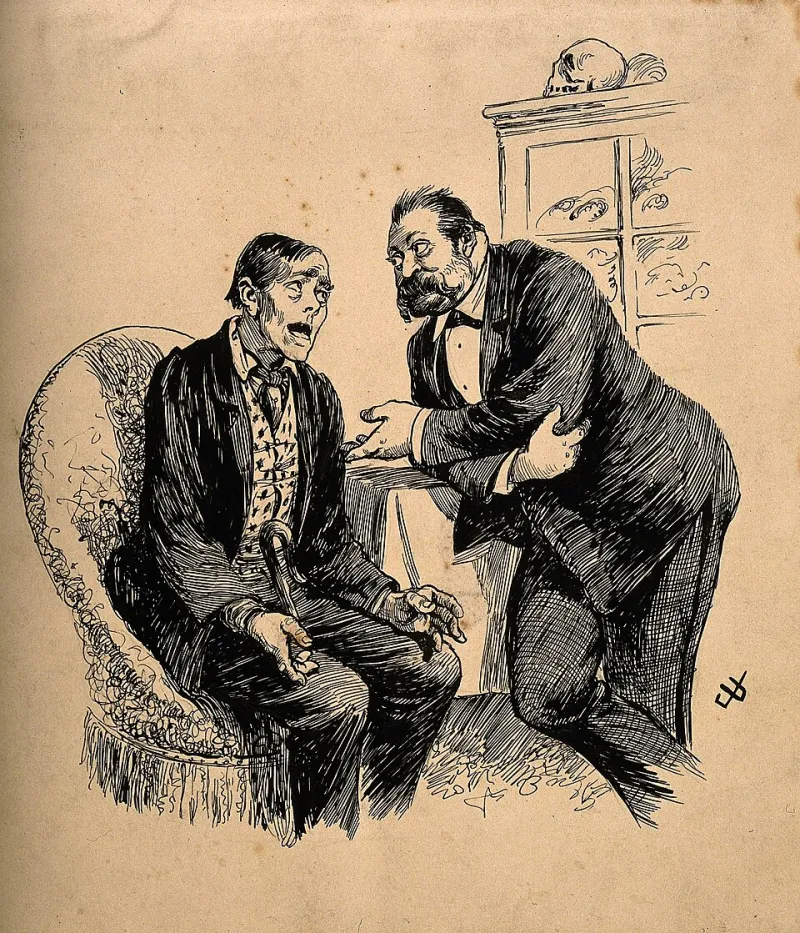
Photo: Unknown, CC BY 4.0, via Wikimedia Commons
For many patients, the conversation about weight-loss injections ends almost as soon as it begins. You raise the possibility of a GLP-1 medication, and the answer comes back — politely, firmly — as a no. It is tempting to interpret this as a doctor being dismissive, or the NHS simply not caring. In practice, refusals follow a narrow set of rules, and understanding them is the first step towards a productive next move.
Why GPs Turn Down Requests for GLP-1 Medication
The most common reason is straightforward: you do not currently meet the prescribing criteria. Medications such as semaglutide (Wegovy) and tirzepatide (Mounjaro) are licensed in the UK for adults with a body mass index of 30 or above, or 27 and above where a weight-related condition such as type 2 diabetes or hypertension is present. If your BMI falls below that threshold, a GP has no basis to prescribe, however supportive they may be of your goals.
A second layer involves NICE guidance. For semaglutide to be offered on the NHS, patients are generally expected to be participating in a structured specialist weight-management service — not simply collecting a prescription and leaving. Where such services are limited or have lengthy waiting lists, some GP practices decline rather than prescribe in isolation.
The third factor is one patients rarely see: local commissioning. NHS funding is organised through Integrated Care Boards, and each sets its own priorities. In some parts of England, tier 3 weight-management services are thin on the ground, meaning the pathway that unlocks GLP-1 prescribing effectively does not exist locally. Your GP may genuinely have nowhere to refer you.
The Jargon You Will Hear in the Consultation
Appointments are often short, and the explanations can be compressed into phrases that sound like a brush-off. Here is what they typically mean:
- "You don't meet the criteria." Your BMI or comorbidity profile falls outside the licensed range for these medications.
- "It needs to go through the specialist service." NHS prescribing must run alongside a multidisciplinary weight-management programme; the GP cannot simply issue the drug.
- "It's not commissioned in our area." Your local NHS body has not funded the relevant service or prescribing pathway, so the option is unavailable regardless of your eligibility.
- "Let's try lifestyle support first." A referral to tier 2 programmes or dietetic services is being offered as the first rung of the ladder — sometimes a genuine step, sometimes a holding position.
None of these phrases necessarily means the conversation is over. They tell you which barrier stands in your way, and each barrier has a different workaround.
What You Can Legitimately Do Next
If your BMI is borderline, ask what it needs to be and whether conditions such as pre-diabetes, sleep apnoea or polycystic ovary syndrome would bring you within scope. Keep records — repeat measurements, diagnoses, previous attempts at structured weight loss — because specialist services often assess patients against documented history.
If the blocker is the referral pathway, ask specifically whether a tier 3 service exists in your area and what the referral criteria are. Waiting lists are long in many regions, but joining one preserves your NHS options.
If local commissioning is the problem, the private route remains lawful and regulated. Registered UK pharmacies and clinics prescribe GLP-1 medications following a consultation, typically with a qualified prescriber, and supply genuine licensed products. The safeguards differ from the NHS pathway but they are real: you should expect a health screening, a discussion of contraindications, and ongoing review — not a one-click checkout.
Questions Worth Asking Before You Leave the Surgery
Rather than accepting a flat refusal, a few targeted questions can change the outcome: What specifically disqualified me? Is there a service you can refer me to, and what is its current waiting time? Would a documented weight-related condition alter the decision? And if the NHS route is closed here, what should I look for in a private provider?
A good GP will answer these. If they do not, that itself is information.
A Refusal Is a Data Point, Not a Verdict
Being declined for weight-loss injections tells you something specific about criteria, funding or pathways — not about your worth as a patient or the seriousness of your goals. Decode the reason, address the underlying barrier, and the route that suits you, whether NHS or private, becomes considerably easier to find.