One Plate, Two Appetites: Cooking for a Family When Your GLP-1 Prescription Has Taken Yours Away
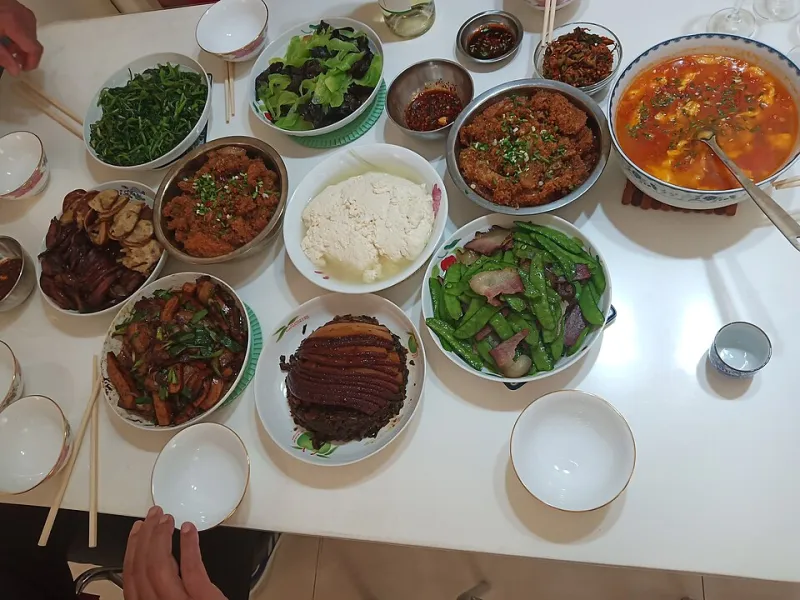
Photo: Jason M. C., Han, CC BY-SA 4.0, via Wikimedia Commons
For most of her adult life, Sarah from Reading planned her evenings around the family meal. Then, three months into treatment with a GLP-1 injection, she noticed something unexpected: the hardest part of dinner was no longer resisting the food — it was standing at the hob cooking it for everyone else while feeling nothing herself.
Her experience is a familiar one among UK patients on semaglutide and tirzepatide. The medicines work by dampening appetite, and they do not distinguish between a shared Sunday roast and a plate you have no intention of finishing. The result is a household dynamic that few prescribers think to mention: one person cooking with genuine enthusiasm for food they cannot eat, and family members quietly unsure whether to offer seconds.
The Kitchen Divide Is Real — and Manageable
Dietitians who work with patients on GLP-1 treatment say the domestic side effects are under-discussed. Suppressed appetite can last most of the day, meaning the person who historically anchored mealtimes may now sit down to a few forkfuls while a partner and two children eat normally.
"The mistake patients make is trying to cook two entirely separate meals," says one registered dietitian we spoke to. "That doubles the workload and builds resentment on both sides. The better approach is a shared base with flexible portions."
In practice, that means cooking one family meal — a shepherd's pie, a traybake, a curry — and treating the patient's plate as a scaled-down version with a different emphasis: prioritising protein and vegetables, with carbohydrate portions kept deliberately small. Patients on GLP-1 treatment are generally advised that whatever they do eat should earn its place nutritionally, because appetite leaves little room for anything else.
Batch-Cooking for Two Realities
Several households we heard from have restructured their week around batch-cooking. A Sunday afternoon session produces family-sized portions of two or three dishes for the freezer, which removes the daily temptation for the patient to skip cooking altogether — a genuine risk when nothing appeals.
The batch approach has a second benefit. When the patient's own appetite flickers back between doses, as it often does in the days before an injection, there is a nutritionally sound option ready rather than a stale sandwich. Protein-rich items — cottage-pie bases, dhal, chicken and leak bake — freeze well and reheat into a small, complete meal.
Avoiding the Dinner-Table Friction
Less discussed, but just as common, is the emotional arithmetic of the table. Partners report feeling awkward eating normally; children notice that Mum or Dad has stopped finishing their tea. Some patients describe a low-grade resentment when they are still doing the shopping and the washing-up for meals they cannot enjoy.
Families who have navigated this successfully tend to name it early. A short, honest conversation — explaining that the medicine reduces appetite, that this is expected, and that the patient still wants to eat together — defuses most of the tension. Some households have also redistributed cooking duties for a few months, which both eases the patient's burden and signals that the arrangement is temporary.
It is also worth remembering that eating together matters more than eating equally. A small plate at the table, matched with a fortified soup or a protein yoghurt beforehand, keeps the social ritual intact even when the quantities differ.
A Practical Week, in Brief
A workable pattern that recurs across UK households looks like this:
- One shared base meal per day, cooked for the family, with the patient's portion built around protein and vegetables.
- Two or three freezer batches prepared at the weekend, portioned in small containers.
- A backup list on the fridge — eggs, tinned fish, Greek yoghurt, pre-cooked chicken — for days when appetite collapses entirely.
- A standing agreement that the patient may leave food without comment, and that nobody at the table needs to explain their plate.
Speak to Your Prescriber or Dietitian
Patients who find they are routinely eating very little, skipping meals for more than a day, or losing weight faster than expected should raise it at their next review. Persistent suppression that prevents adequate nutrition is something prescribers can address, sometimes by adjusting dose or timing. Registered dietitians — available through many NHS weight-management services and privately — can help build a plan that protects muscle mass and energy levels while treatment continues.
The family kitchen does not have to become a casualty of the prescription. With a little structure, it can stay what it always was: the place everyone comes back to — even if one of you now arrives with a much smaller forkful.