Eating Well on a Suppressed Appetite: The Dietitian's Guide to GLP-1 Nutrition
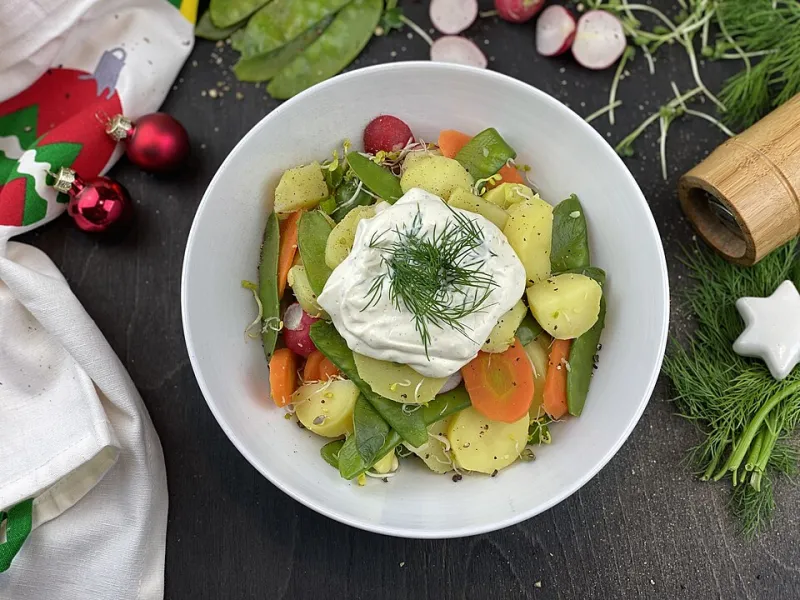
Photo: FitTasteTic, CC BY-SA 2.0, via Wikimedia Commons
There is a paradox at the heart of GLP-1 treatment that surprises many patients: the medication makes eating less remarkably easy, but it also makes eating well more difficult than before.
When your appetite is suppressed — sometimes to the point where a few forkfuls leave you satisfied — there is far less room in your day for nutritionally empty food. Every meal needs to earn its place. We spoke to the principles that UK-registered dietitians consistently emphasise for patients starting or continuing treatment with semaglutide, tirzepatide or liraglutide.
Why What You Eat Matters More When You Eat Less
A modest calorie deficit achieved through diet alone still involves an appetite that pushes back. GLP-1 medication removes much of that pushback, which means some patients inadvertently drift into very low intakes — 800 or 900 calories a day in some cases — without the nutrient density to support them.
The risks of a poorly constructed low-intake diet are well understood: loss of lean muscle mass, fatigue, hair shedding, constipation and micronutrient shortfalls. Rapid weight loss without adequate protein is the classic culprit behind the 'skinny fat' outcome, where the scales look encouraging but body composition worsens.
Protein: The Non-Negotiable Priority
If dietitians could give GLP-1 patients a single instruction, it would be this: eat protein first, at every meal.
General guidance for patients on appetite-suppressing medication falls around 1.2–1.6g of protein per kilogram of body weight per day, though individual targets vary and should be confirmed with your own dietitian or prescriber. On a suppressed appetite, that often means deliberately planning protein rather than relying on hunger cues.
Practical UK-friendly sources include:
- Greek yoghurt and Skyr — easy on a small stomach, high in protein
- Eggs at breakfast, or scrambled into small portions later in the day
- Chicken thigh, salmon, tuna and lean mince in palm-sized portions
- Tofu, lentils and chickpeas for plant-based patients
- Protein drinks — useful when solid food feels unappealing, particularly during dose escalation
Because gastric emptying is slowed, large protein portions in one sitting can cause discomfort. Spreading intake across three or four eating occasions is generally better tolerated than a single large serving.
Portion Sizes on a Suppressed Appetite
A useful rule of thumb dietitians suggest is the plate downshift: build meals as you normally would, then serve roughly half to two-thirds of it. Prioritise the order in which you eat — protein first, then vegetables, then carbohydrates — so that if you fill up early, the important nutrients have already gone in.
Snacking often becomes unnecessary on GLP-1 medication, which is one of its genuine advantages. But for patients struggling to reach protein or calorie targets, small planned snacks — a handful of nuts, a boiled egg, cottage cheese on oatcakes — can quietly close the gap.
The Common Gaps Patients Fall Into
Dietitians report recurring nutritional shortfalls among patients on GLP-1s:
- Fibre. Reduced food volume plus slower digestion is a recipe for constipation. Oats, berries, wholemeal bread, beans and ground linseed all help.
- Calcium and vitamin D. Dairy often drops out of shrunken meals. Fortified plant milks, yoghurt and a vitamin D supplement — standard UK advice in any case through autumn and winter — matter here.
- Iron and B12. Particularly relevant for women and for patients eating little red meat.
- Fluid. With less food coming in, much of your hydration used to arrive on your plate. Drink deliberately, not on thirst alone.
A general multivitamin is a reasonable insurance policy when intake is very low, but it does not replace eating a varied diet — and any supplement decisions should be discussed with your prescriber or pharmacist.
An Evergreen Framework, Not a Diet
The reassuring message from dietitians is that nutrition on GLP-1 medication is not about restriction or a special regimen. It is about the same principles of a balanced British diet — plenty of plants, adequate protein, wholegrains, sensible hydration — executed with more precision because the margin for error is smaller.
Whether you are at the start of your treatment or a year into maintenance, building meals around protein and nutrient density protects the muscle, energy and wellbeing that make weight loss sustainable. The medication reduces how much you eat; what you choose to eat determines what those weeks and months actually do for your body.