The Half-Full Trolley: What Suppressed Appetite Is Doing to Britain's Grocery Baskets
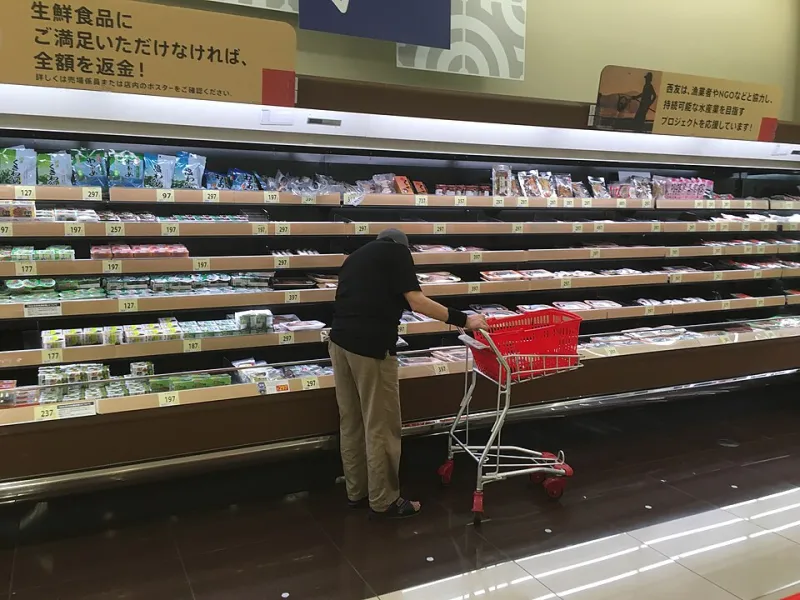
Photo: Nesnad, CC BY 4.0, via Wikimedia Commons
Walk down any British supermarket aisle on a Saturday morning and you will find, quietly scattered among the full trolleys, a new kind of shop: half the volume, twice the deliberation. For a growing number of patients on GLP-1 receptor agonists such as semaglutide and tirzepatide, the weekly shop has become an exercise in precision rather than abundance.
This matters more than it might first appear. On medication that suppresses appetite, every bite carries a heavier nutritional load than it did before. A shrunken basket that leans on convenience foods can quietly undermine both treatment outcomes and long-term health — which makes the supermarket, not just the pharmacy, part of the patient safety picture.
Smaller Baskets, Sharper Choices
The pattern reported by UK dietitians is remarkably consistent. Patients describe buying roughly a third less food by volume within the first two to three months of treatment. Fresh produce shifts from bulk bags to smaller portions — a single pepper rather than a multipack — while ready meals, snacks and multi-buy offers lose much of their pull.
Protein is the clearest winner in the new basket. Because muscle preservation is a genuine clinical concern during rapid weight loss, patients are steered towards lean meats, eggs, fish, Greek yoghurt and pulses, often before they fully understand why. Alcohol, meanwhile, tends to fall away — partly through reduced craving, partly because many simply find they no longer enjoy it.
"The danger isn't hunger, it's under-eating," one registered dietitian told us. "People feel fine on 900 calories a day, but they're missing iron, calcium, fibre. The trolley has to work harder than it used to."
The Cost Equation
Counter-intuitively, a smaller basket does not always mean a smaller bill. Protein-rich foods — salmon, lean beef, quality yoghurt — cost more per calorie than the pasta and bread they replace. Our indicative comparison of a typical weekly shop before and after treatment suggests the post-GLP-1 basket can cost broadly the same, sometimes slightly more, despite containing noticeably less food.
The trade-off for most patients is straightforward: the monthly cost of private medication dwarfs any grocery saving, so food budgeting becomes about protecting nutrition, not recouping the prescription fee.
Shopping Strategies for a Suppressed Appetite
Buy small and often. Multipacks and bulk offers suit large appetites. On a GLP-1, waste is the enemy. Loose produce, smaller cuts and Aldi or Lidl's compact pack sizes align far better with reduced portions.
Make protein the first item in the trolley. Plan each day around a protein anchor — eggs at breakfast, tinned fish at lunch, a modest portion of meat or pulses at dinner — then shop to support it. Frozen fish and chicken portions offer the same nutrition at a fraction of fresh prices.
Use the freezer deliberately. With appetite fluctuating day to day, frozen vegetables, berries and pre-portioned protein prevent both waste and the temptation to skip meals entirely.
Read the label differently. Under treatment, nutrient density per pound matters more than price per calorie. Yoghurt, tinned sardines, lentils and fortified cereals punch far above their weight.
Rethink the meal-deal. For working patients, the traditional lunchtime meal deal is poorly suited to a suppressed appetite. A pot of protein-rich soup or a Greek yoghurt with fruit often serves better at a lower cost.
A Safety Note Worth Repeating
Reduced intake affects more than weight. Patients eating very little should discuss supplementation — particularly of vitamin D, calcium, B12 and iron — with their prescriber or pharmacist, and report persistent fatigue, hair loss or dizziness rather than treating them as inevitable side effects of treatment. Dehydration is another under-appreciated risk: smaller meals mean less fluid from food, so drinking water needs to become a deliberate habit.
The weekly shop is where treatment success is quietly won or lost. A trolley built around protein, micronutrients and realistic portions is not just good diet advice — on a GLP-1, it is part of taking the medication safely.