The End of the Prescription: Managing Weight Regain After GLP-1 Treatment Finishes

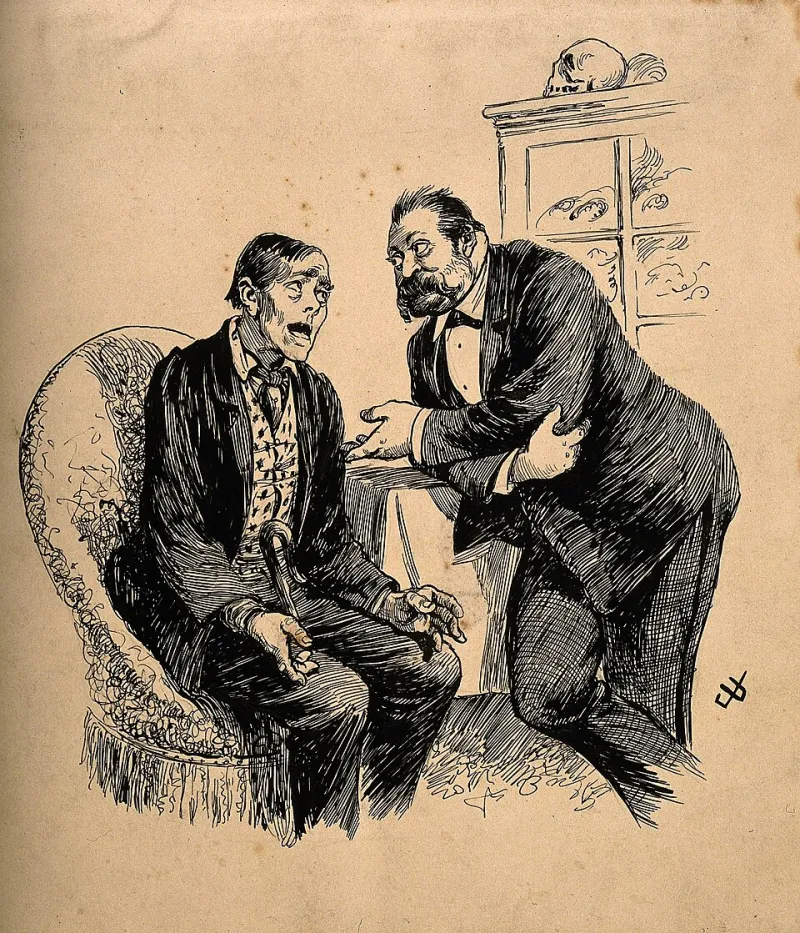
Photo: Shixart1985, CC BY 2.0, via Wikimedia Commons
One of the least discussed aspects of GLP-1 treatment is what happens after the final injection. Clinical trials have been blunt on this point: when participants stop taking semaglutide or tirzepatide and receive no structured support, the majority regain a substantial share of the weight they lost. Patients deserve to know this before treatment begins, not after.
Why the Weight Returns
GLP-1 medications work partly by quieting the appetite signals that make dieting feel like a constant battle. When treatment stops, those signals return — often louder than before.
Research from the STEP 1 extension study found that participants who discontinued semaglutide regained roughly two-thirds of their lost weight within a year. Several mechanisms drive this:
- Hormonal rebound. Levels of ghrelin, the hunger hormone, rise above their pre-treatment baseline in some patients.
- Loss of physiological support. The slowed gastric emptying and reduced food noise that the medication provided simply disappear.
- Metabolic adaptation. A smaller body burns fewer calories, and the deficit that maintained weight loss narrows.
This is not a failure of willpower. Obesity is increasingly understood as a chronic condition, and these medicines manage it rather than cure it — in the same way that blood-pressure tablets manage hypertension without eliminating it.
What UK Prescribers Recommend
The emerging consensus among British clinicians is that stopping abruptly and unsupported is the worst available option. Better approaches include:
Gradual tapering. Rather than finishing at the highest tolerated dose, some prescribers step patients down over several months. Evidence for this is still developing, but it may soften the hormonal rebound and give patients time to adjust eating habits.
Structured lifestyle support. NHS weight-management services and reputable private providers increasingly pair discontinuation with dietitian input, behavioural programmes and regular weigh-ins. Patients who maintain contact with a support service tend to fare better than those who simply stop.
Intermittent or maintenance dosing. Some prescribers now consider a reduced maintenance dose — lower than the treatment dose but not zero — for patients at high risk of regain. This remains an area of active debate and is not appropriate for everyone.
Switching strategies. Where regain begins, a conversation about restarting treatment, trying an alternative medication, or exploring other options may be more productive than attempting to white-knuckle through it.
Planning the Exit Before It Arrives
The most useful maintenance plan is one made months in advance. Patients approaching their target weight should raise several questions with their prescriber:
- What tapering schedule, if any, do you recommend?
- What follow-up appointments are included after treatment ends?
- At what point should I get back in touch — and how quickly can I be seen?
A Realistic Picture of Long-Term Success
The honest message is that some regain is common and does not mean the treatment failed. Even patients who regain part of the weight lost often retain meaningful improvements in blood pressure, blood sugar and joint health compared with their starting point.
What the UK evidence increasingly supports is this: GLP-1 treatment works best when it is treated as one chapter in a long-term plan, not a complete solution. Patients who leave treatment with habits, support and a named point of contact are far better placed than those who finish their last pen with nothing arranged. Any provider offering these injections should be willing to discuss the end of treatment as thoroughly as the beginning — and reluctance to do so is worth treating as a warning sign.