Beyond the Bathroom Scales: How GLP-1 Medicines Affect Your Liver, Gallbladder and Heart
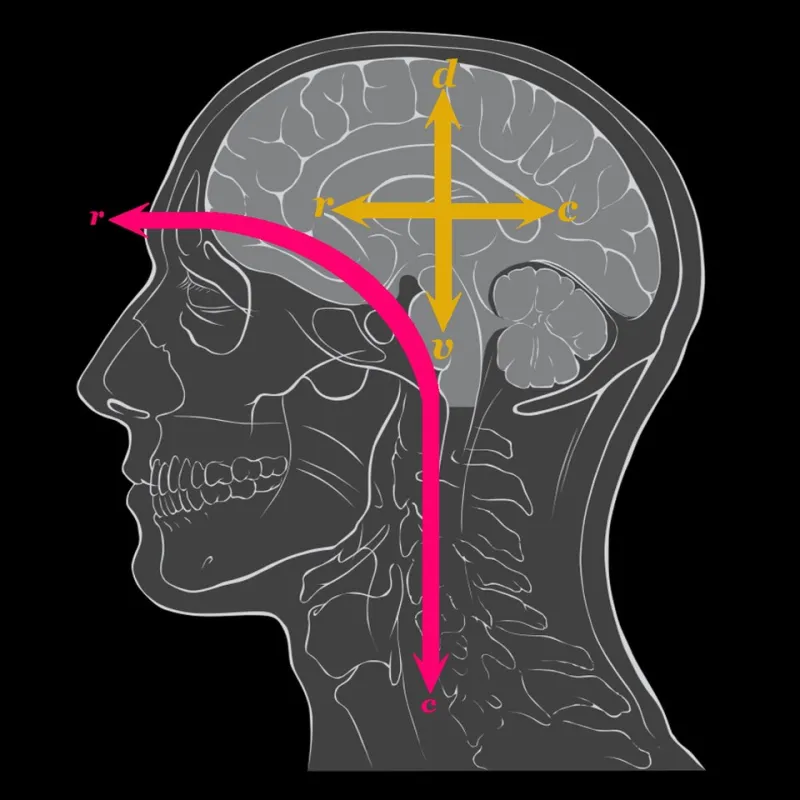
Photo: JonRichfield, CC BY-SA 4.0, via Wikimedia Commons
Most coverage of GLP-1 medication begins and ends with the number on the scales. That is understandable — the weight reduction these medicines produce is genuinely remarkable. But a prescription that travels through your bloodstream does not confine itself to appetite. Here is what the evidence shows about the wider effects on the body, stated plainly.
The Cardiovascular Dividend
The strongest evidence in GLP-1 medicine's favour lies with the heart. Semaglutide, in particular, demonstrated in large cardiovascular outcome trials a meaningful reduction in major adverse cardiac events among people with existing cardiovascular disease and obesity or type 2 diabetes. This is not incidental benefit from weight loss alone — the effect appears partly independent of it, with suggested contributions from improved endothelial function and reduced inflammation.
This is why NICE guidance favours GLP-1 agonists for patients with established cardiovascular risk. For that group, the heart protection may matter as much as the weight reduction.
Kidneys and Liver: Quiet Winners
Emerging data suggest benefits for kidney function, particularly in patients with type 2 diabetes, where markers of diabetic kidney disease improve on treatment. The liver, too, tends to respond well: non-alcoholic fatty liver disease — highly prevalent in the UK population — frequently improves, with reduced liver fat and better enzyme readings documented across multiple studies.
The Gallbladder Problem
Now the caution. Rapid weight loss of any cause increases the risk of gallstones, and GLP-1 medicines are no exception. Clinical trials recorded gallbladder-related events — gallstones, cholecystitis — at higher rates among treated patients than placebo. The mechanism is straightforward: suppressed eating means the gallbladder empties less often, allowing bile to concentrate.
Patients should be alert to symptoms: pain in the upper right abdomen, particularly after meals, sometimes radiating to the shoulder or back. Report these promptly; untreated gallstones can escalate.
Pancreatitis: Rare but Real
Acute pancreatitis is listed as a recognised adverse event in the product information for semaglutide and tirzepatide. The absolute risk remains low, but it is serious when it occurs. Severe, persistent abdominal pain — often radiating to the back, sometimes with vomiting — warrants stopping the medication and seeking urgent medical attention. A history of pancreatitis should prompt a careful conversation with your prescriber before starting treatment.
The Thyroid Question
Rodent studies showed thyroid C-cell tumours with GLP-1 agonists, prompting a boxed warning in the United States. The human relevance is unestablished, and UK regulators have not imposed an equivalent blanket restriction. However, patients with a personal or family history of medullary thyroid carcinoma or MEN2 syndrome are excluded from treatment as a precaution. For everyone else, current evidence is reassuring, though long-term surveillance continues.
What the MHRA Says
The Medicines and Healthcare products Regulatory Agency keeps these medicines under continuous review and has issued specific safety advice, including warnings about unlicensed semaglutide products and dosing errors from misuse of injection devices. The consistent message: obtain these medicines only through a registered prescriber, and report adverse effects through the Yellow Card scheme.
Putting It in Proportion
It is worth ending with perspective. For most eligible patients, the overall risk-benefit calculation favours treatment: substantial cardiovascular, metabolic and liver benefits against rare but genuine gallbladder and pancreatic risks — both of which are monitorable and manageable when caught early.
What this analysis should make clear is that GLP-1 medication is not a cosmetic intervention. It is systemic therapy with systemic consequences, which is precisely why it requires a prescription, proper screening and ongoing clinical supervision. Anyone offering it without those safeguards is not merely cutting corners — they are ignoring the very organ-level effects that make medical oversight essential.