When the Table Stops Being the Centre of the Home: GLP-1 Treatment and the Rituals It Leaves Behind
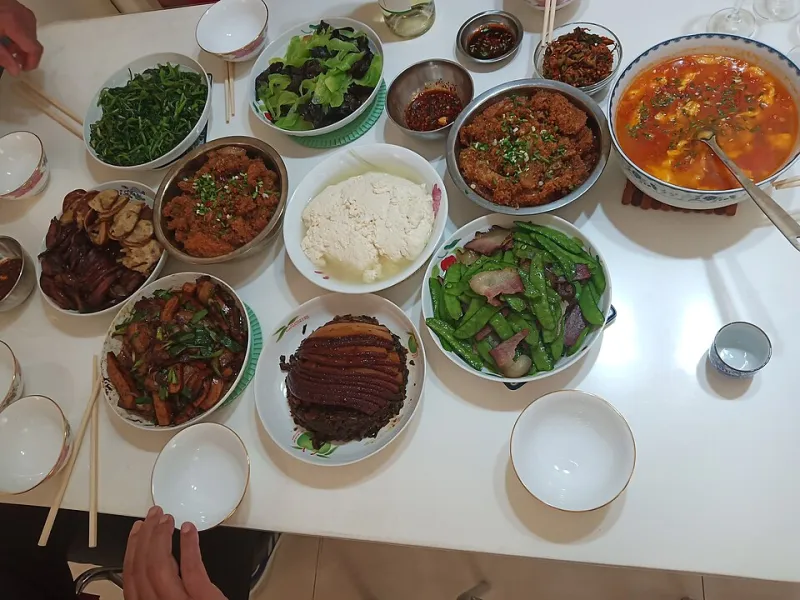
British life is stitched together with food. The Sunday roast that anchors a family's week. The birthday cake that nobody is allowed to refuse. The office curry night where the real business of friendship gets done between poppadoms. For patients starting GLP-1 treatment, these rituals don't disappear overnight — but they change shape, often in ways nobody warned them about.
The Quiet Fridge
Several patients describe the same uncanny experience in the first weeks of treatment: the fridge stops calling to them. One woman from Leeds put it plainly — she opened her kitchen to make the family's usual shepherd's pie and realised she felt nothing. Not hunger, not temptation. Nothing.
That emotional silence can be a relief for people who have battled food noise for decades. But it can also feel like a small bereavement. Food was never only fuel; it was comfort, celebration, belonging. When appetite fades, the social scaffolding built on top of it starts to wobble.
Roasts, Cakes and Refusals
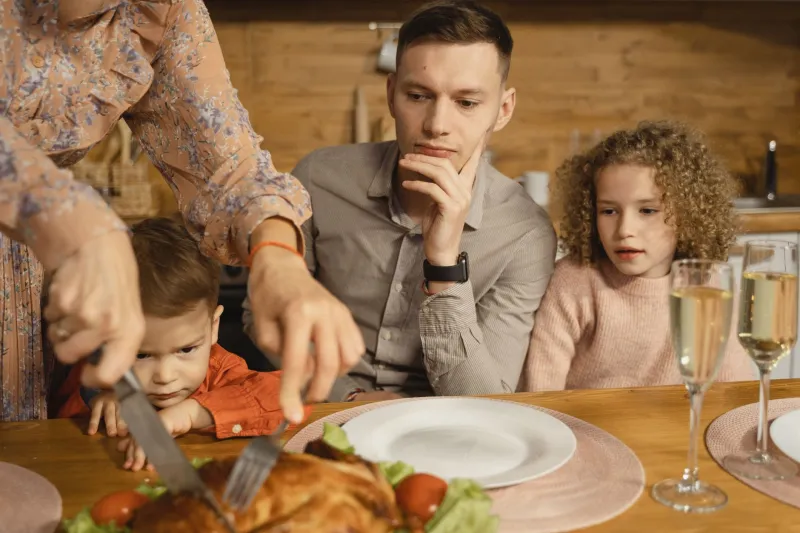
Consider the Sunday roast. A host who has spent four hours on a joint of beef reads a nearly empty plate as a verdict — on the cooking, on the relationship. Add a weight-loss injection to the table and the dynamics sharpen further: relatives who know about the treatment may police it, joke about it, or take the small appetite personally.
Birthdays are trickier still. Declining cake at a child's party can feel less like a dietary choice and more like opting out of the occasion. The same goes for the works do at the local curry house, where saying no to a shared biryani can read, wrongly, as saying no to the group.
A family therapist we spoke to frames it this way: in most households, food is a love language. When one person stops speaking it, the others can feel unloved — even abandoned — unless the meaning is spelled out. Her advice is deceptively simple: separate the food from the feeling, out loud.
Scripts That Work
Patients who navigate this well tend to have a few lines ready:
- The appreciative no. "That looks wonderful, and I've had exactly enough. Don't let me stop anyone else."
- The role shift. Offer to carve, pour, or host. Contributing to the ritual replaces eating through it.
- The small portion, taken seriously. A modest serving eaten with genuine attention often satisfies a host more than a refusal would.
- The private word. For close family, a quiet conversation before the event — "the medicine has taken my appetite, not my enjoyment of being here" — defuses months of misread signals.
None of this requires disclosure of treatment. Many patients prefer to keep their prescription private, and a well-rehearsed "I'm pacing myself" tends to close the subject without inviting commentary.
Protecting the Ritual, Not the Plate
There is a broader point worth making. Families who thrive on GLP-1 treatment often discover that the ritual was never really about the quantity of food consumed. The Sunday roast survives on conversation, the birthday cake on the singing, the curry night on the company. The medication reduces appetite; it does not have to reduce attendance.
Some families even report a positive spillover: cooking smaller, wasting less, and shifting the post-dinner highlight from dessert to a walk or a board game. Change, handled openly, can improve the ritual rather than end it.
A Word on Wellbeing
One caution belongs in any safety-minded discussion. If the loss of appetite tips into loss of enjoyment across the board — if meals, occasions and social contact all start to feel pointless — that should be raised with the prescribing clinician. Suppressed appetite is expected; social withdrawal and low mood are not, and they deserve proper attention rather than being written off as side effects of slimming.
Food will always be the way Britain marks its good days. GLP-1 treatment changes how much of it a patient eats — not how much of the occasion they are entitled to enjoy.