The Unpoured Pint: Alcohol, GLP-1 Medicines and the Conversation Worth Having With Your Prescriber
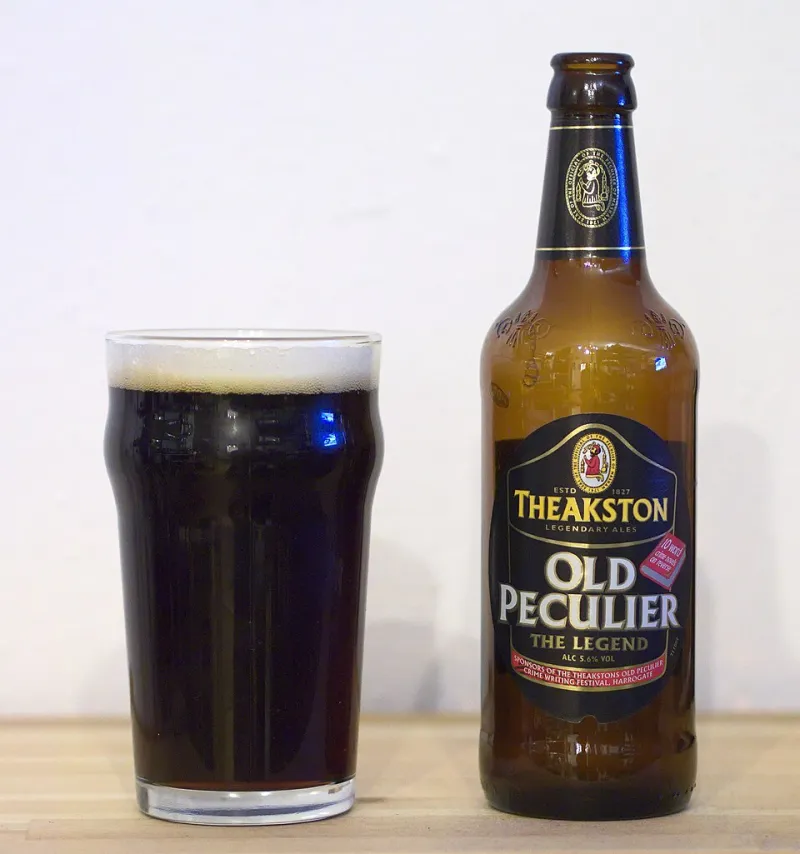
Photo: Kreuzschnabel, CC BY-SA 3.0, via Wikimedia Commons
For many people in the UK, alcohol is woven into ordinary life rather than confined to special occasions. A pint after work, wine with Sunday lunch, a round bought on instinct at a wedding: these are social rituals as much as drinks. So when GLP-1 treatment begins to blunt the desire for alcohol, the change can feel as much cultural as clinical. Patients often notice it before anyone else does. The glass stays full. The second drink is declined. The walk home starts earlier.
That shift is worth discussing calmly and without moralising. GLP-1 medicines such as semaglutide, liraglutide and tirzepatide are licensed in the UK for weight management and, in some formulations, for type 2 diabetes. They are not licensed to treat alcohol use disorder. Yet many patients report that drinking becomes less appealing on treatment, and some describe a marked reduction in the amount they consume. The evidence base is still developing, and individual experience varies widely. The practical question for patients is not whether they should feel pleased or uneasy about drinking less, but whether their prescriber knows enough to keep treatment safe.
What patients actually describe
The reports are not uniform. Some patients say wine tastes sharper or less pleasant. Others find that the usual relaxation after a drink does not arrive, so the effort of drinking no longer seems worthwhile. Some notice that a single glass feels stronger than it used to, or that alcohol worsens nausea and heartburn. A smaller number report no change at all, or find that drinking patterns remain stubbornly fixed even while appetite for food falls.
It is important not to turn these anecdotes into a promise. GLP-1 treatment is not a reliable route to sobriety, and nobody should begin it with that expectation. Nor should a patient who continues to drink feel judged. The relevant issue is safety: how alcohol interacts with the medicine, with hydration, with side effects, and with any other prescriptions or health conditions in the background.
The pub, the round and the quiet refusal
British drinking culture can make reduced consumption feel more conspicuous than it is. The round system, after-work drinks and family celebrations all carry expectations that are not always spoken. Patients sometimes worry that refusing a drink will invite questions about weight, medication or pregnancy. In practice, most social pressure can be managed with a simple, repeatable phrase: driving, an early start, medication, or simply not feeling like it. A soft drink in a familiar glass often attracts less attention than a lengthy explanation.
There is no obligation to disclose GLP-1 treatment in a pub or at a dinner table. The obligation to be honest sits with the clinical relationship, not with the social one. If a patient does want to explain, they can keep it brief. The more important conversation is the one with the prescriber, where detail is useful rather than awkward.
Why alcohol may hit differently on treatment
GLP-1 medicines slow gastric emptying and alter appetite signalling. Those effects can make food feel heavier and nausea more likely. Alcohol may sit alongside those changes: it can add to dehydration, irritate the stomach and worsen dizziness or fatigue. Some patients find that their tolerance appears lower, not because the medicine directly neutralises alcohol, but because the overall picture — reduced food intake, possible dehydration, treatment side effects — leaves less margin for error.
There are also medication-specific considerations. Patients using insulin or sulfonylureas alongside a GLP-1 medicine need to be alert to hypoglycaemia, and alcohol can complicate recognition and management of low blood glucose. Anyone with liver disease, pancreatitis, problematic drinking or a history of alcohol withdrawal should have that history known to their prescriber before and during treatment. This is not about eligibility being withdrawn as a punishment; it is about assessing risk properly.
Hydration, driving and the morning after
Two practical points deserve emphasis. First, hydration. Suppressed appetite often means reduced fluid intake as well as reduced food intake, and alcohol is a poor substitute. Patients who drink should alternate with water and be cautious in hot weather or after exercise. Second, driving. A lower tolerance or a hangover compounded by nausea and fatigue can affect alertness. The legal limit is not a safe target, and the morning after a heavy session is not a reliable guide to fitness to drive.
Patients should also avoid using alcohol to manage treatment side effects or low mood. If drinking is being used to settle nausea, ease anxiety or fill an evening that once revolved around food, that pattern is worth raising early rather than waiting for a crisis.
What to tell your prescriber
A useful disclosure is short and factual: how often you drink, roughly how much, whether the pattern has changed since starting treatment, and whether you have noticed dizziness, nausea, blackouts, withdrawal symptoms or difficulty cutting down. Mention any other medicines, including over-the-counter products, and any liver or pancreatic problems. If you are with an NHS clinic, the conversation can be had at a review appointment. If you are a private patient, do not wait for a routine check-in if something feels wrong; contact the clinic directly.
The prescriber is not there to audit your social life. They are there to spot interactions, monitor side effects and decide whether any additional support is needed. Drinking less may be a welcome side effect for some patients, but it still belongs in the clinical record. A quiet word now is better than a complicated conversation later.