From Full Trolley to Half Portion: Rethinking Your Kitchen Before the GLP-1 Pen Arrives
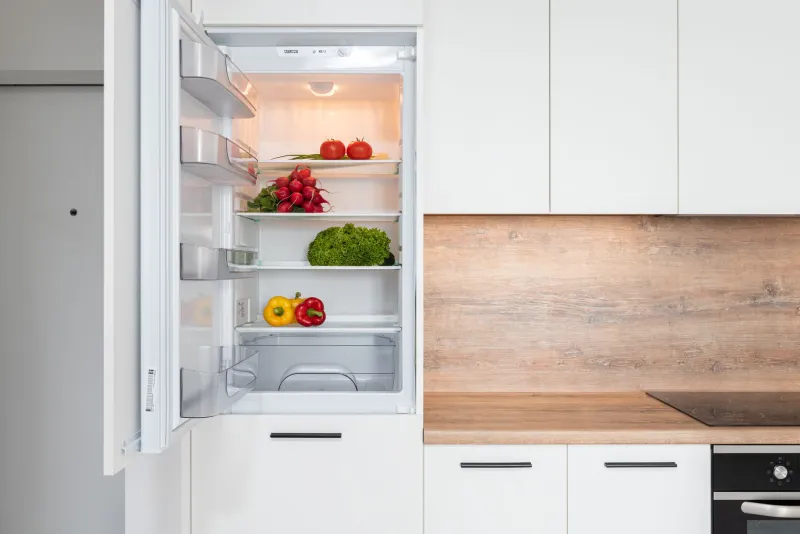
Most patients preparing to start a GLP-1 medicine such as Wegovy or Mounjaro think carefully about injections, side effects and eligibility. Far fewer think about their fridge. Yet within weeks of treatment beginning, the most common surprise reported by UK patients is not nausea or fatigue — it is the strange experience of opening a full fridge and wanting almost none of it.
Appetite suppression does not simply shrink meals. It shrinks the entire rhythm of the household food economy: the weekly shop, the leftovers rota, the salad bag bought with good intentions. Planning for this shift before your first dose is one of the most practical forms of preparation a patient can undertake.
The Half-Used Problem: Why Waste Rises on Treatment
British households already throw away around 4.5 million tonnes of edible food each year, according to WRAP estimates. GLP-1 treatment can quietly accelerate this. Portions that once served two now serve four. A standard 400g pack of chicken breasts may cover three days of eating. The bag of rocket wilts before a third of it is used.
The result is a familiar pattern: patients continue shopping as they did before treatment, while eating perhaps half of what they purchased. Within a month, the food waste bin tells the story.
Audit Before You Inject
A simple kitchen audit in the fortnight before starting treatment pays dividends. Open the freezer and take stock of what is genuinely there — most UK freezers contain a stratum of forgotten items, from the remnants of a January batch-cook to a lone bag of frozen peas behind the ice. Note what will realistically be eaten at a reduced appetite and what should be used up beforehand.
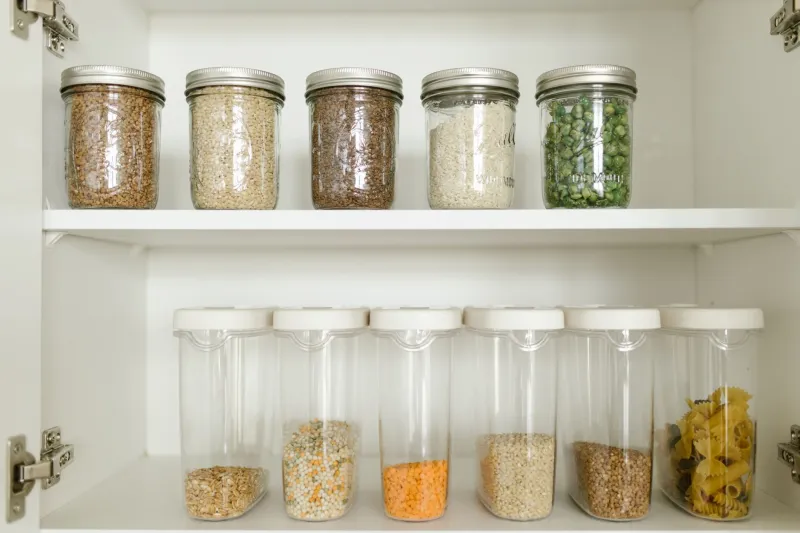
The same applies to the store cupboard. Half-opened packets of pasta, lentils and tinned tomatoes represent meals waiting to happen, and using them in the early weeks of treatment — when appetite may fluctuate as the body adjusts — keeps cooking simple and inexpensive.
Shop Smaller, Shop More Often
The traditional British big weekly shop is poorly suited to a suppressed appetite. Supermarket multi-buy offers, designed around family-sized consumption, become poor value when a single portion lasts days.
Many patients find that switching to smaller, more frequent shops — a couple of items from the local greengrocer, a midweek top-up at Aldi or Lidl — better matches their actual consumption. Frozen vegetables deserve particular attention: they eliminate spoilage entirely and can be portioned precisely, which matters when each meal is small but nutritionally important.
Batch-Cooking for a Smaller Appetite
Batch-cooking remains worthwhile on GLP-1 treatment, but the arithmetic changes. Rather than cooking six portions of a meal for the week ahead, consider cooking the same quantity and freezing half in single portions. Small, defrostable containers — soups, stews, curries — suit reduced appetites far better than large reheated dishes.
For households, the challenge is different again. Cooking a family shepherd's pie while eating a child-sized portion yourself requires planning, but the solution is straightforward: cook normally, portion your own meal first, and freeze the surplus before it lingers in the fridge.
Nutrition Still Matters Most
One note of caution belongs in any discussion of reduced eating. With less food passing through the day, every portion carries greater nutritional weight. Dietitians advising GLP-1 patients consistently emphasise protein, fibre and hydration — priorities that are harder to meet if meals are an afterthought. A shrinking trolley should never mean a shrinking intake of nutrients.
If you are unsure how to structure meals around your prescription, raise it with your prescriber or a registered dietitian. Most UK weight-management services offer dietary guidance alongside treatment, and it is guidance worth taking.
A Quieter Kitchen, By Design
There is an unexpected upside to all this. Patients who reorganise their food habits around treatment often report lower grocery bills despite premium prices at the till, less end-of-week bin guilt, and a calmer relationship with the kitchen overall. The fridge becomes quieter, more deliberate, less full of obligation.
GLP-1 medication changes appetite. With a little forethought, it need not change anything else — least of all what ends up in the food waste caddy.