When the Cool Pack Runs Warm: Vetting a Home-Delivered GLP-1 Pen in the UK
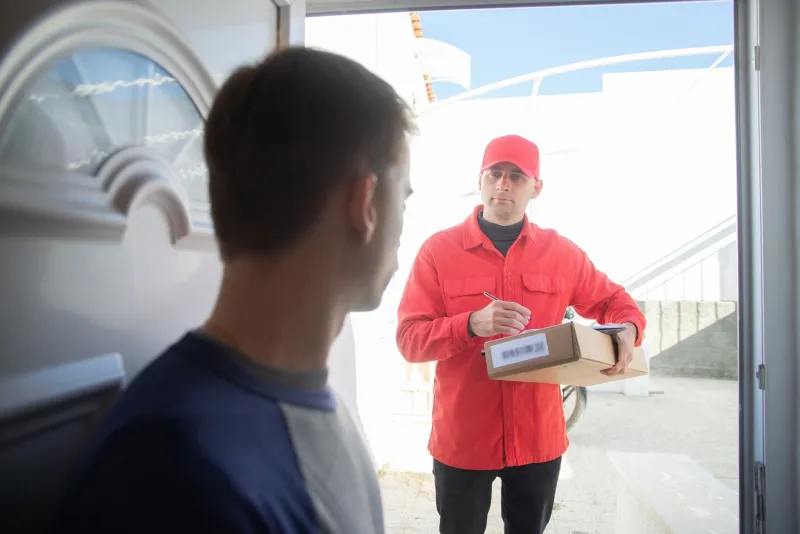
Home delivery has become a routine part of private GLP-1 treatment in the UK. A courier arrives, a box changes hands, and the patient is left holding a medicine that may have travelled across the country in a cool box. The convenience is real, but so is the responsibility that comes with it. A GLP-1 pen is not a paperback; its condition on arrival deserves a few minutes of calm scrutiny.
Why the Cold Chain Is the Quiet Part of the Prescription
Semaglutide, tirzepatide and liraglutide products each carry their own storage instructions, and patients should read the patient information leaflet supplied with their pen rather than rely on general rules. What unites them is that temperature matters. Before first use, most GLP-1 pens are intended to be kept refrigerated. Freezing can damage the product, and prolonged warmth can reduce its quality. The delivery journey is therefore the weakest link in an otherwise controlled supply chain: a pen may leave a pharmacy in perfect condition and still spend an afternoon in a warm van.
Not every warm parcel is a disaster. Cool packs are designed to absorb heat, and they will often be partly thawed by the time they reach a doorstep. The question is not whether the pack is still frozen, but whether the pen has been exposed to conditions outside its labelled range for an unknown period. That is why a short, documented check is more useful than a guess based on how the box feels.
Before You Sign: The Handover Check
If you can be at home for the delivery, do so. Track the parcel and note the time it arrives. Before signing, look at the outer packaging. A box that is crushed, wet, leaking or visibly damaged should not be accepted without comment. Ask the courier whether the parcel has been kept in the vehicle for long, and if the answer is vague, record it. If you use a safe place, choose one that is shaded and secure, and avoid a metal doorstep box or a porch that traps heat.
Missed deliveries deserve particular attention. A card through the door may mean the parcel has returned to a depot, sat in a delivery van for another day, or been left with a neighbour. Contact the pharmacy and the courier to establish where it has been. A pen that arrives two days late after a heatwave is a different proposition from one delivered on time on a cool morning.
Reading the Parcel's Body Language
Open the parcel indoors, out of direct sunlight, and keep the packaging until you have decided whether to accept the medicine. Check the cool packs first. Gel packs that are still cool to the touch are reassuring; packs that are completely warm are a signal to look more closely. Some pharmacies include a temperature indicator strip. Follow the instructions printed on it, photograph it before discarding anything, and do not interpret it by guesswork.
Condensation is common and usually harmless. A pen that feels damp after moving from a cold van into a warm kitchen is not necessarily compromised. What matters is whether there is moisture inside a sealed pouch, leakage from the pen, a cracked cartridge, cloudy or discoloured liquid, or a damaged cap or needle hub. A pen that looks intact, with clear liquid and no leaks, is more likely to be sound than one that has visible defects.
The Photograph Rule
Take photographs before you throw anything away. Capture the outer box, the pharmacy label, the batch number, the expiry date, the temperature indicator if present, the cool packs and the pen itself. Include a timestamp if your phone offers one. These images are not a sign of distrust; they are the evidence a pharmacy needs to resolve a query quickly. Store the parcel in the coolest safe place in your home, but never in the freezer, while you wait for advice.
Accept, Quarantine or Reject
An accept decision is reasonable when the cool packs are still cool, any indicator is within its stated range, the pen is intact and the delivery has arrived within the expected window. A quarantine decision is appropriate when something is ambiguous: the packs are warm but the indicator looks acceptable, or the delivery was delayed but the pen appears sound. In that case, refrigerate the pen, do not use it, and contact the pharmacy the same day.
Reject the delivery, or at least refuse to use the pen, if there is leakage, visible damage, a triggered temperature indicator, or a clear history of prolonged warmth. A pen that has been frozen should also be treated as compromised. Do not inject a medicine you are unsure about simply because the appointment is due or the pen was expensive. The cost of replacement is smaller than the cost of using a degraded product.
What to Say to the Online Pharmacy
Contact the pharmacy with facts rather than alarm. Give your order number, the delivery date and time, the batch number and a concise description of what you found. Attach your photographs. Ask specific questions: was the parcel packed with a validated cool chain, what is the expected transit time, and what is the procedure for a replacement or refund? A reputable pharmacy will answer these questions directly. If you are told that a warm pack is normal, ask for the basis of that statement.
If the response is unsatisfactory, ask for the pharmacy's complaints procedure and consider reporting a suspected quality defect through the MHRA Yellow Card scheme. Your prescriber should also be told, particularly if you have missed a dose or need a replacement before your next scheduled injection.
A Calm Routine, Not a Crisis
The arrival of a GLP-1 pen should be a routine moment, not a source of anxiety. A few minutes of checking, a handful of photographs and a same-day call when something looks wrong are enough to protect your treatment. The cold chain is not an abstract regulatory concern; it is the difference between a medicine that works as intended and one that has been quietly compromised. Treat the parcel as part of the prescription, and the rest of the process becomes much easier to manage.